
Cosmic Cycles
Cosmic Cycles
The sky is the oldest clock
Scroll
Cosmic Cycles
The sky is the oldest clock
Current Sky
March 31, 2026
Moon Phase
Waning Crescent
12% illuminated
Sun Position
Aries
Spring equinox sign
Mercury
Direct
In Aries
Venus
Taurus
Home sign
Mars
Cancer
In fall
Jupiter
Gemini
Expansion in air
Saturn
Pisces
Dissolving structures
The Great Year
The precession of the equinoxes takes approximately 25,920 years. During this time, the point where the sun rises at the spring equinox slowly moves backward through the zodiac constellations. Each "age" lasts roughly 2,160 years.
Three ancient calendar systems independently tracked this same cycle: the Greco-Egyptian Great Year, the Vedic Yuga system, and the Maya Long Count. All three land in the same ballpark, suggesting they observed the same astronomical phenomenon from different corners of the world.
The Greek zodiac tracks a 25,920-year precession. The Vedic yugas describe a 24,000-year cycle of consciousness. Five Maya great cycles span 25,625 years. Three civilizations that supposedly had no contact — all tracking the same cosmic clock.
The Great Year · Zodiac Ages
25,920 yr
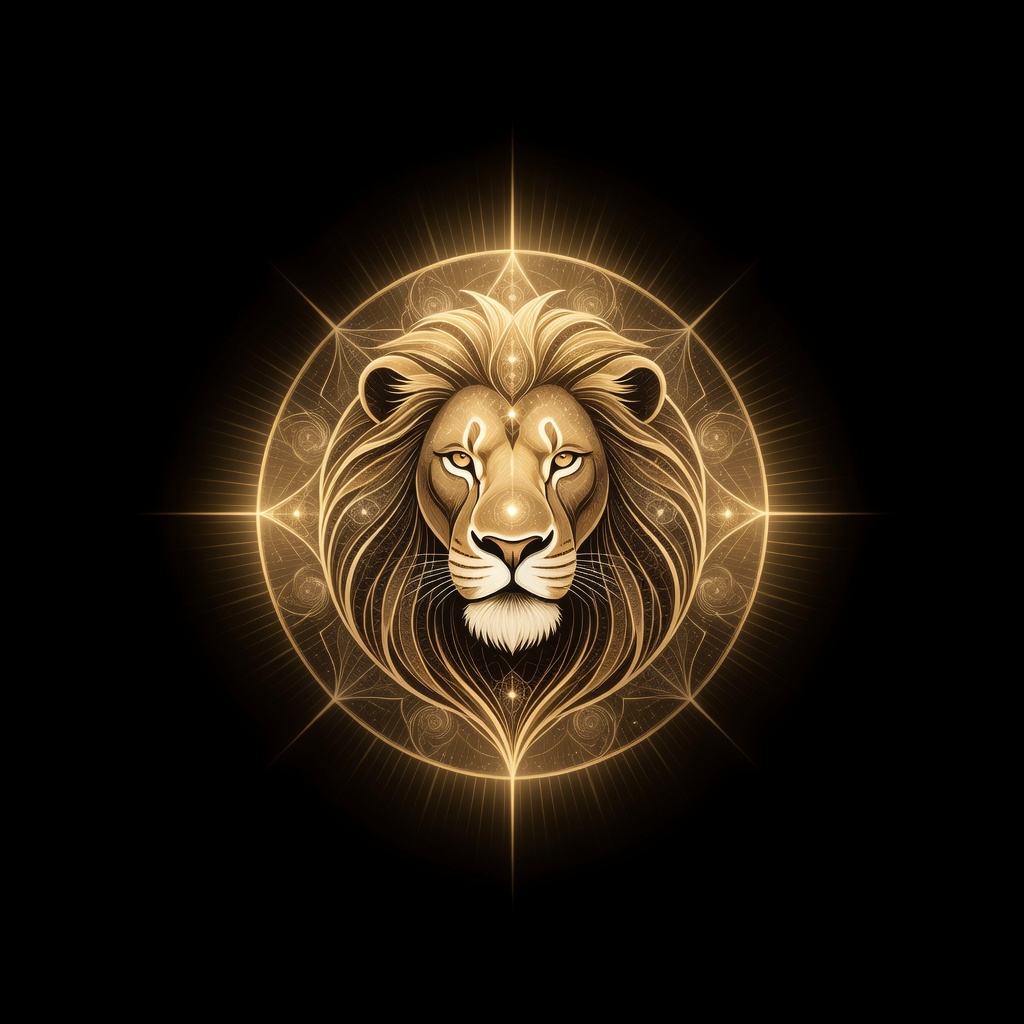
Age of Leo
10,800 – 8,640 BCE
The Sphinx faces due east toward Leo at the spring equinox — geological water erosion (Schoch, West) dates it here, not 2,500 BCE. The Younger Dryas impact (~12,800 BP) likely ended an advanced pre-flood civilization. Göbekli Tepe was built and deliberately buried in this era.
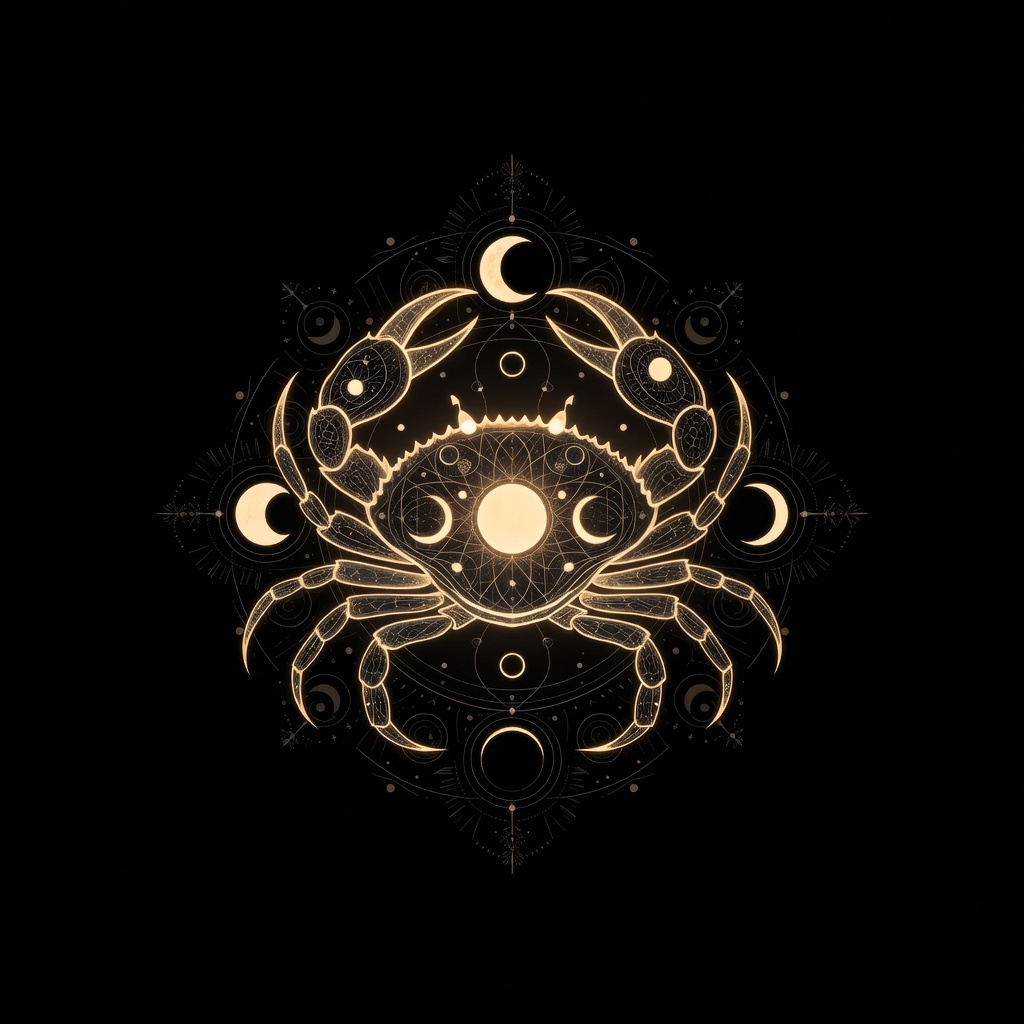
Age of Cancer
8,640 – 6,480 BCE
Survivors rebuild after the Younger Dryas cataclysm. Göbekli Tepe is sealed with rubble ~8,000 BCE. Knowledge is preserved in myth, oral tradition, and encoded in sacred sites. The "gods" who taught agriculture and astronomy may be remembrances of pre-flood teachers.
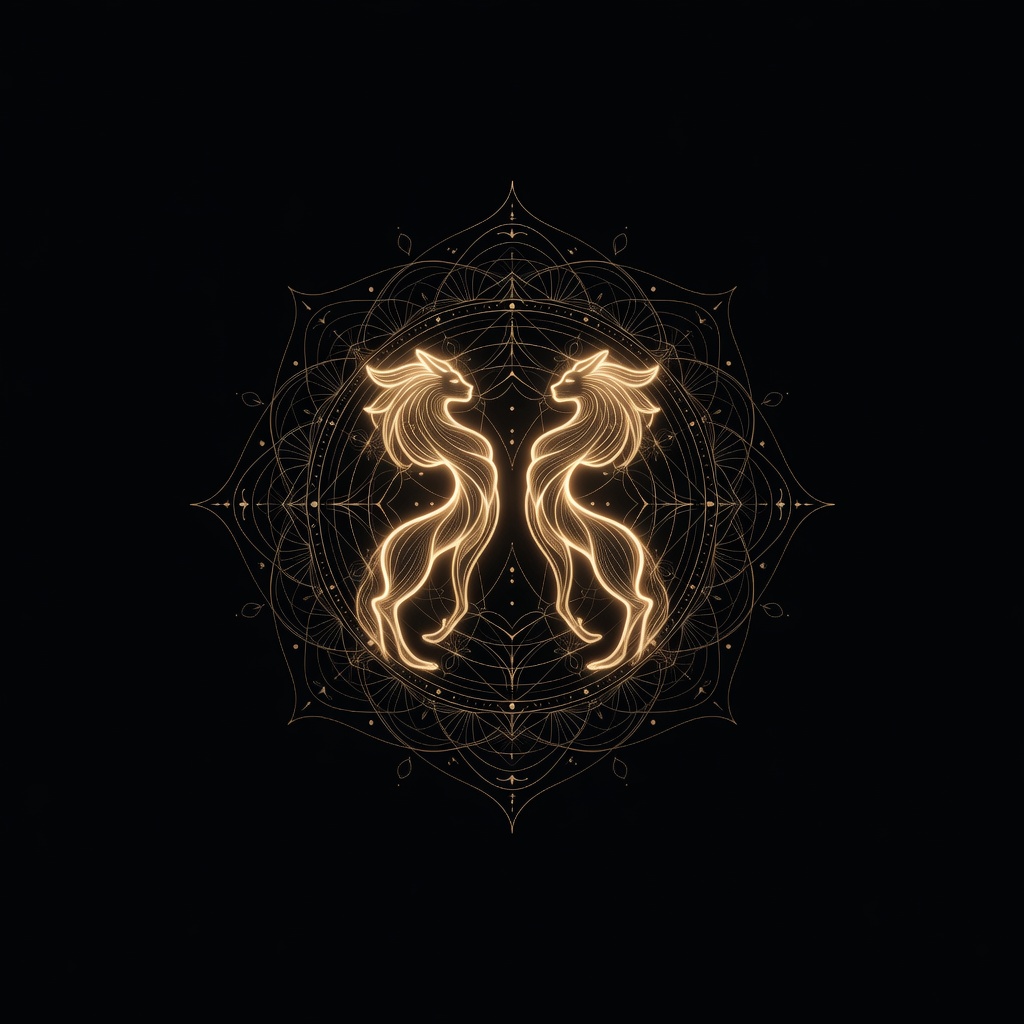
Age of Gemini
6,480 – 4,320 BCE
Ancient knowledge re-emerges through mystery schools. Twin-deity mythologies appear worldwide. Megalithic construction using techniques we still cannot fully explain — precision stone-cutting, astronomical alignment, acoustic resonance.
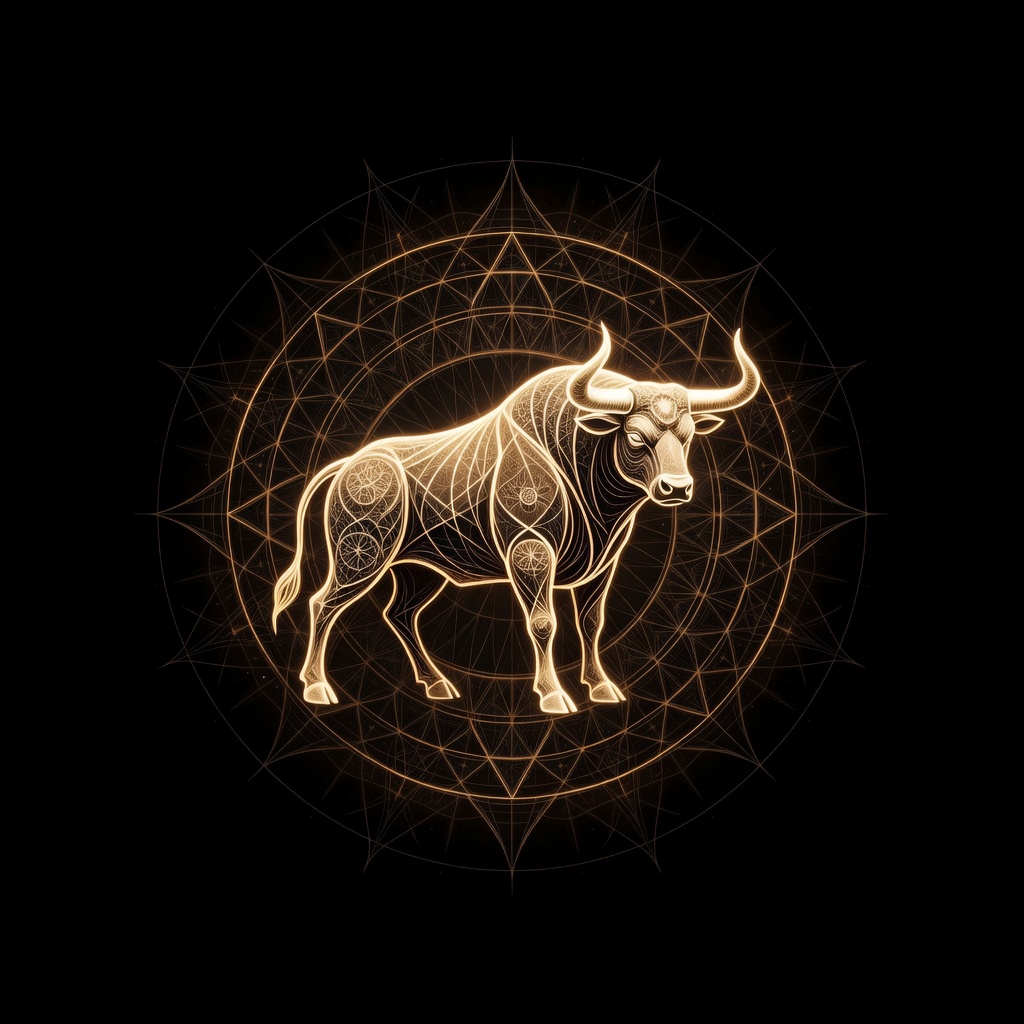
Age of Taurus
4,320 – 2,160 BCE
Age of the bull. Bull worship everywhere — Apis in Egypt, Minotaur in Crete, Nandi in India. Dynastic Egypt inherits knowledge from a far older civilization. The precision of the Great Pyramid (accurate to 1/15th of a degree) points to engineering capabilities mainstream archaeology cannot explain.
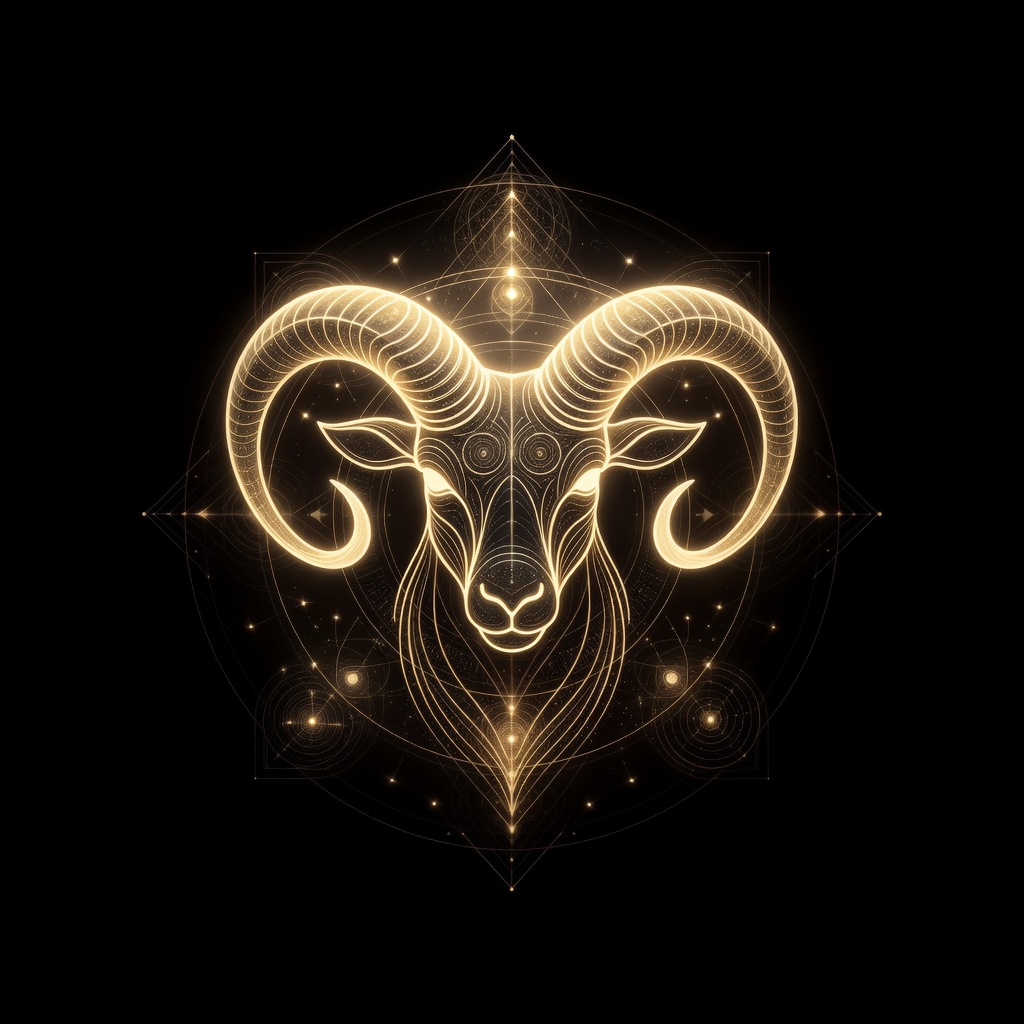
Age of Aries
2,160 BCE – 1 CE
Age of the ram. The old bull cults give way to ram symbolism — the Golden Fleece, the shofar, Amon-Ra. Greece, Rome, and Iron Age civilizations rise. Ancient knowledge increasingly guarded by priesthoods and mystery schools.
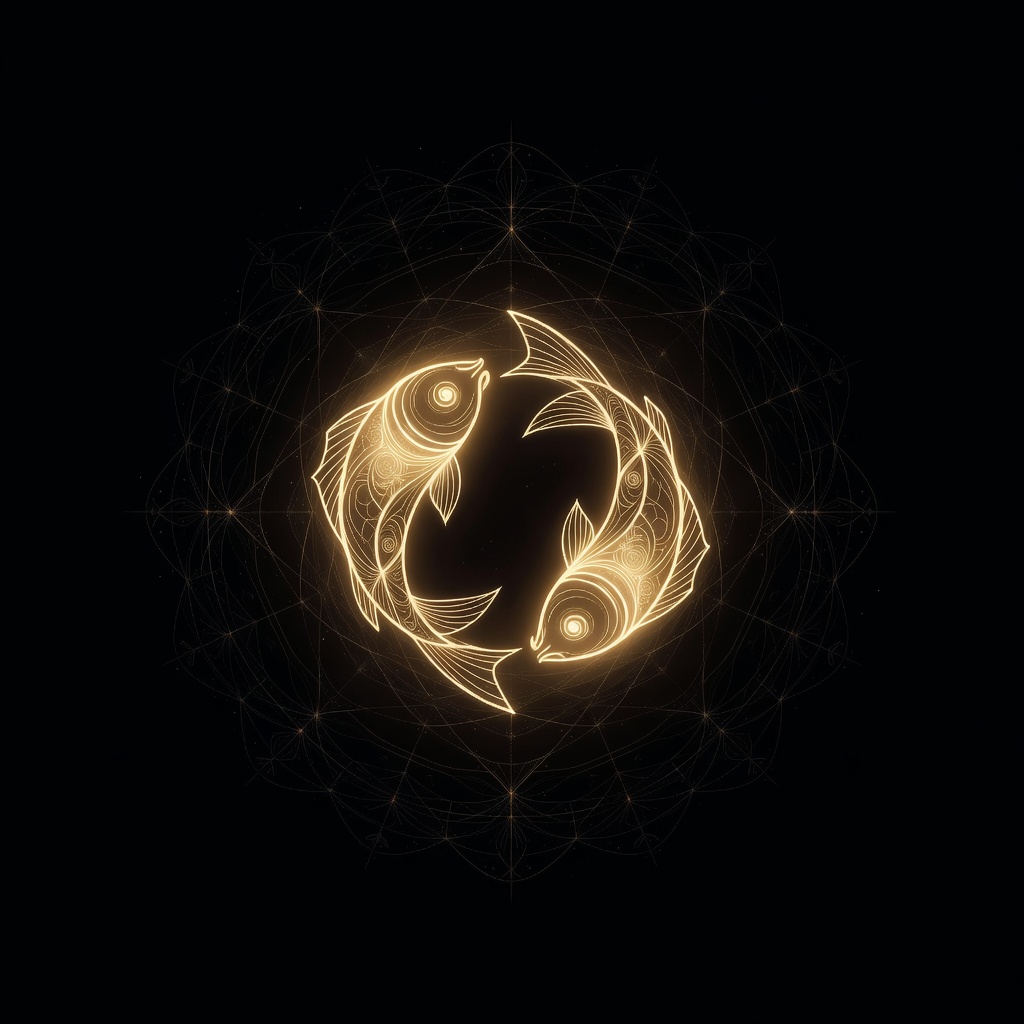
Age of Pisces
1 – ~2,160 CE
Age of the fish. Rise of Christianity (fish symbol), Islam, and organized religion. Ancient knowledge suppressed, mystery schools driven underground. The Library of Alexandria burned. Ocean exploration, empires, and globalization — but spiritual wisdom fragmented.
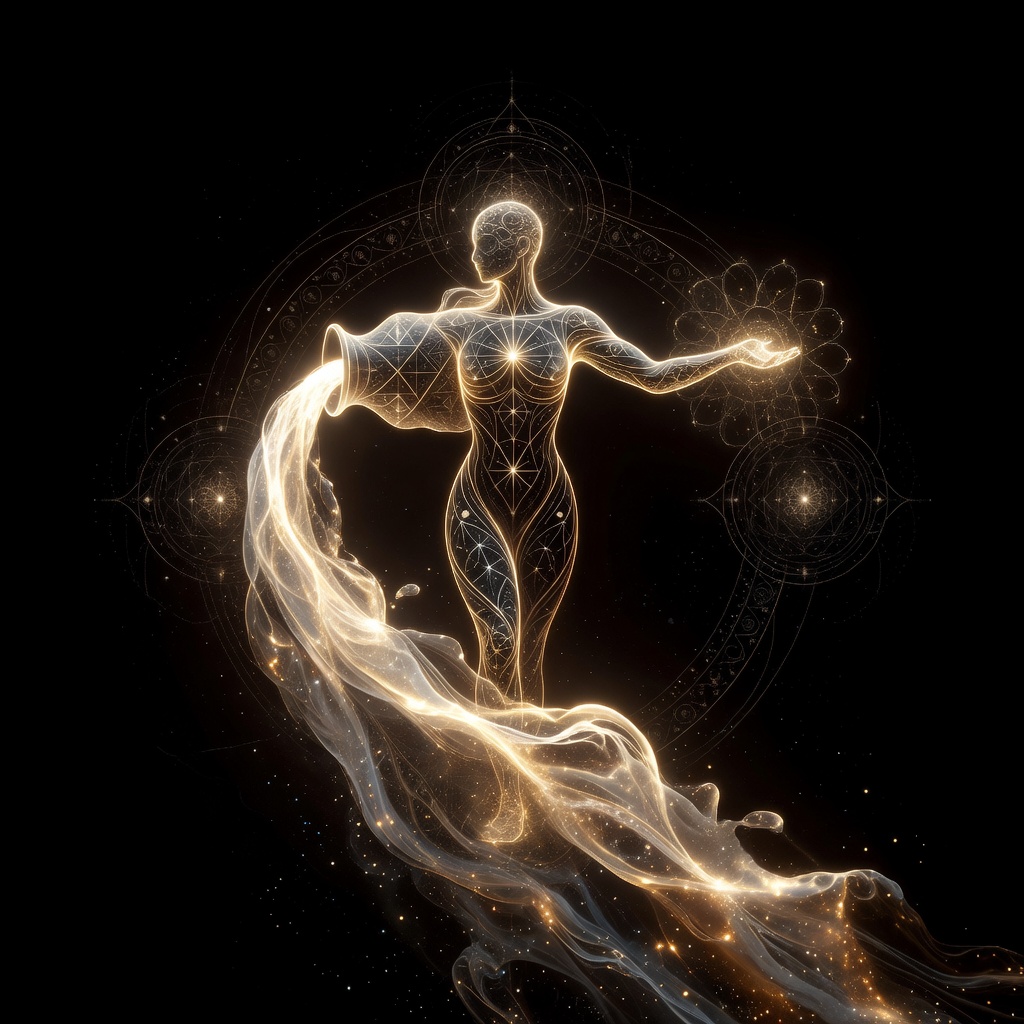
Age of Aquarius
~2,160 – 4,320 CE
Age of the water-bearer. The age the ancients appear to have most anticipated — technology, collective consciousness, decentralization, and rediscovery of lost knowledge. We are approaching the threshold now.
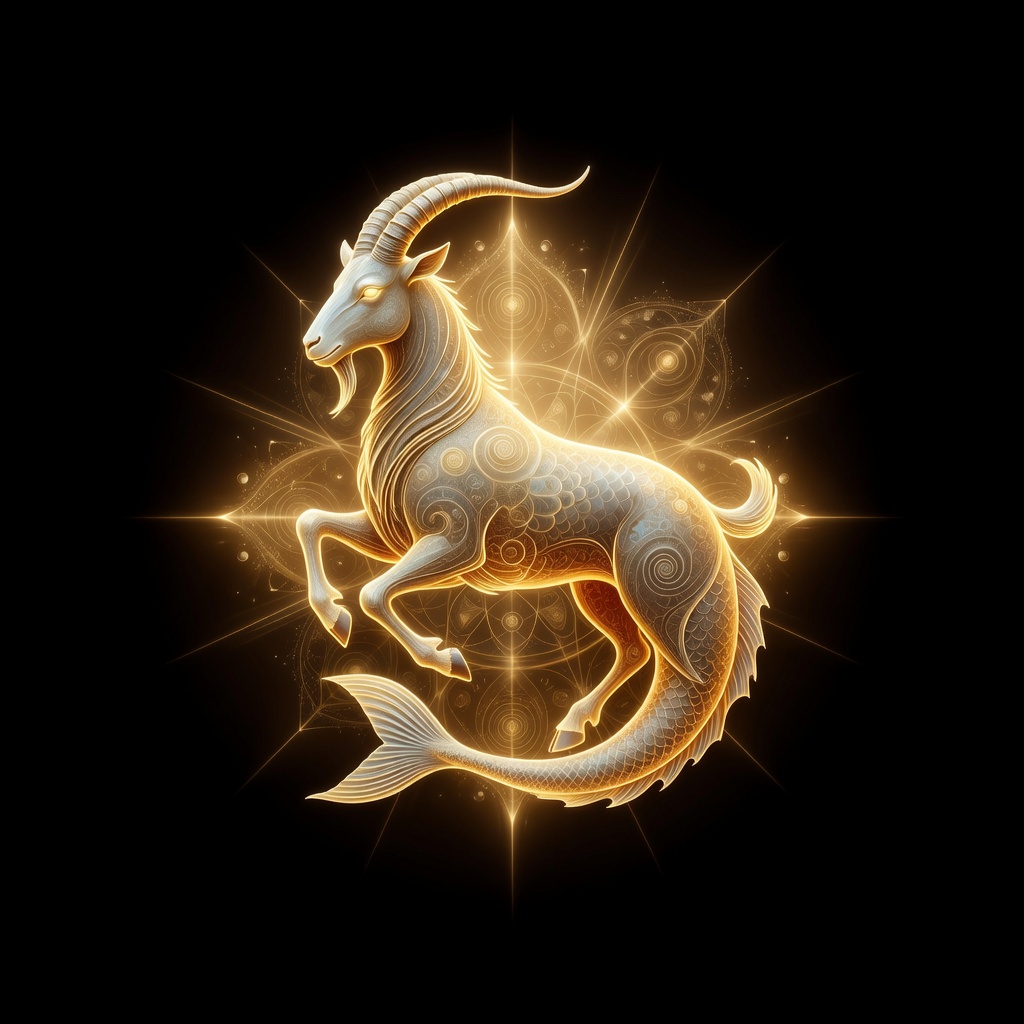
Age of Capricorn
~4,320 – 6,480 CE
Age of the sea-goat. Themes of structure, discipline, and mastery of the material world in service of higher understanding.
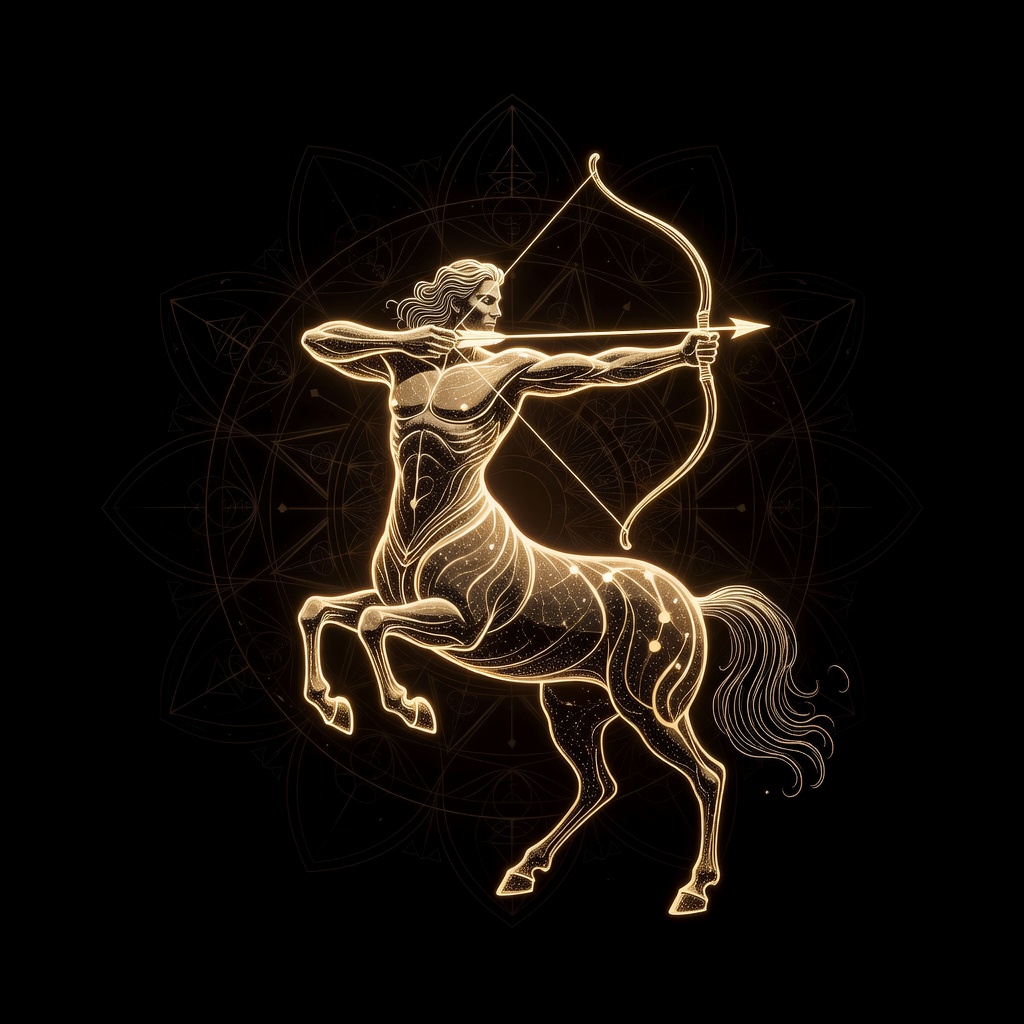
Age of Sagittarius
~6,480 – 8,640 CE
Age of the archer. Themes of exploration, philosophy, higher learning, and expansion of consciousness.
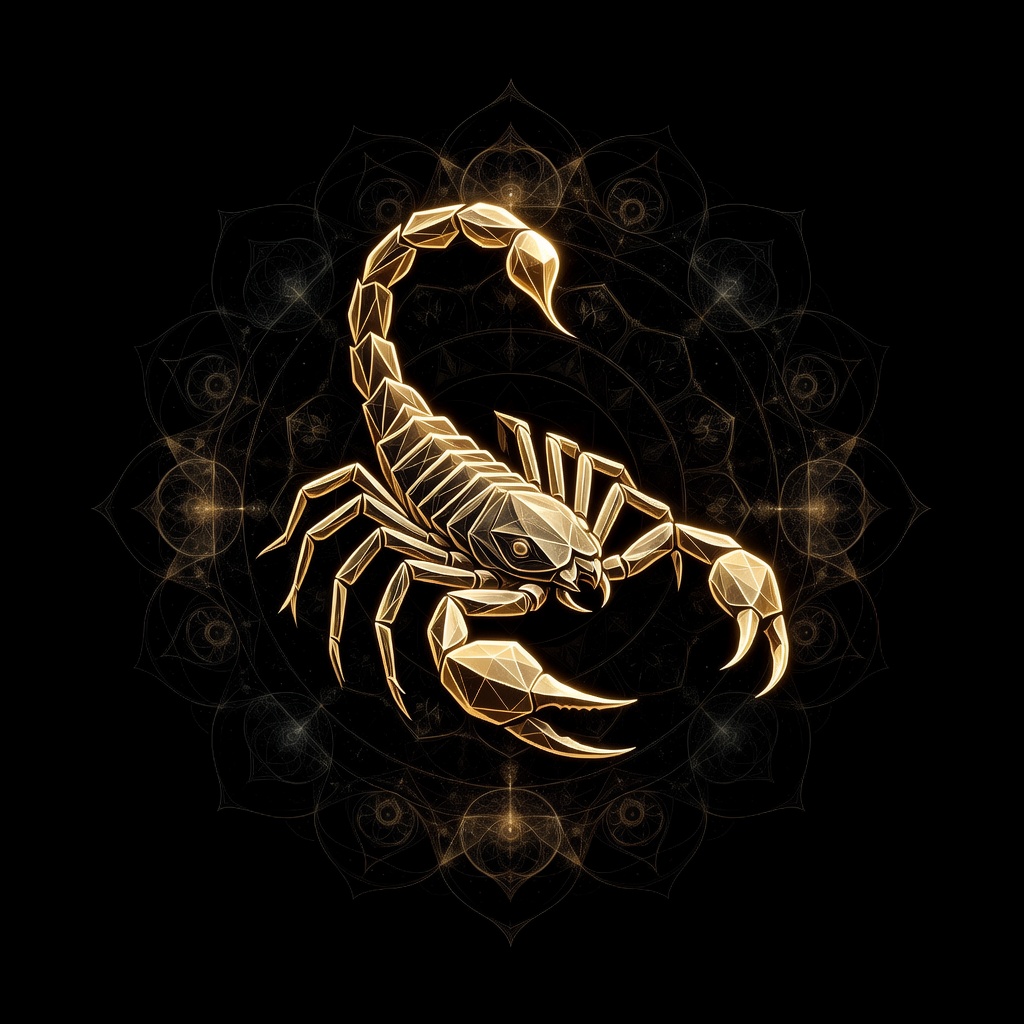
Age of Scorpio
~8,640 – 10,800 CE
Age of transformation. Themes of death and rebirth, deep knowledge, and hidden power revealed.
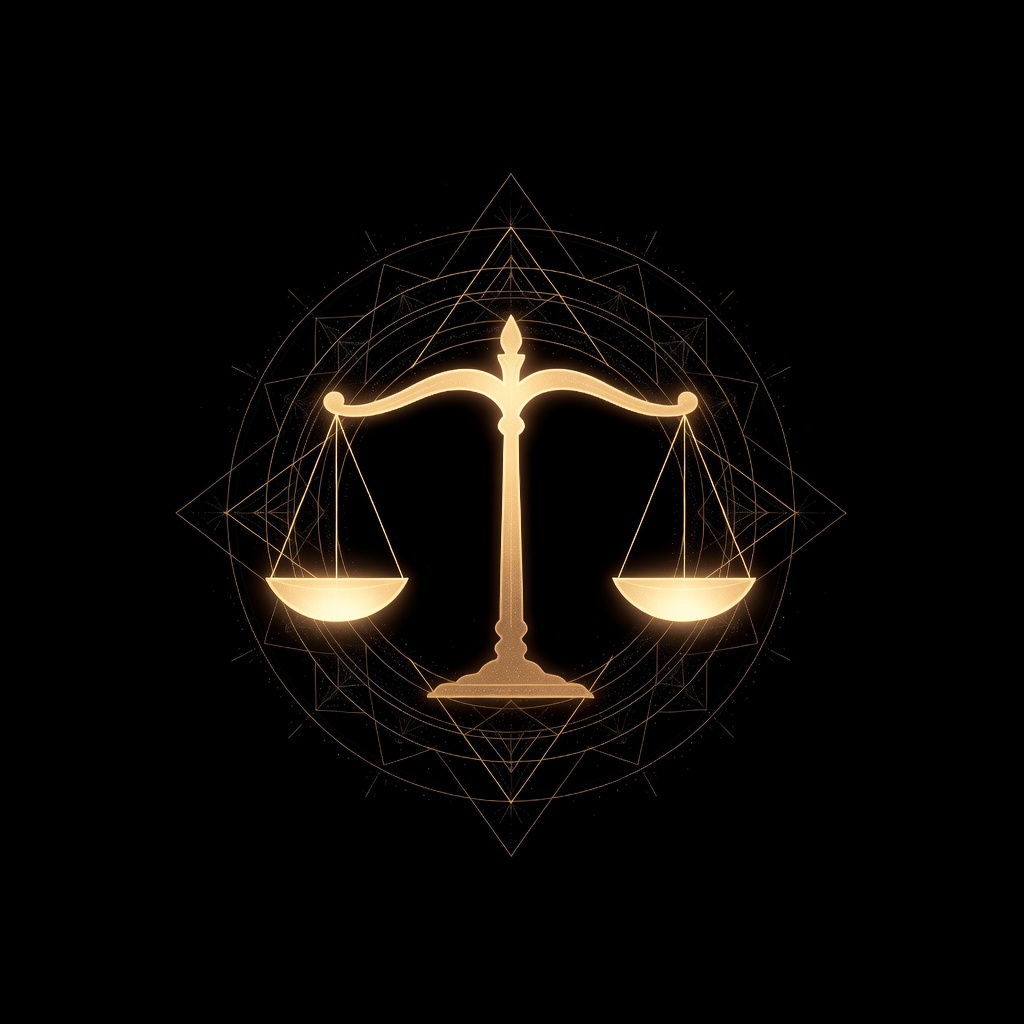
Age of Libra
~10,800 – 12,960 CE
Age of balance. Themes of cosmic justice, harmony, and equilibrium restored.
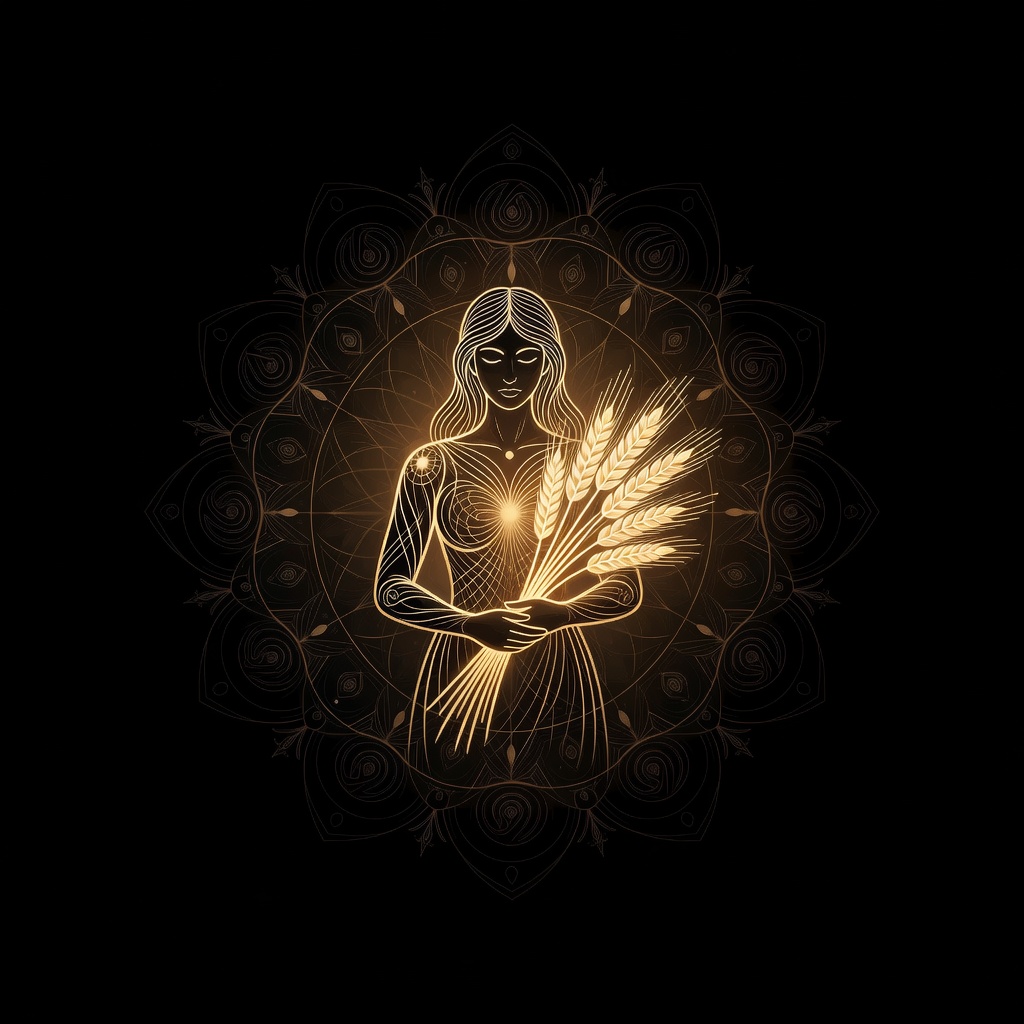
Age of Virgo
~12,960 – 15,120 CE
Age of the maiden. Completion of the Great Year. The cycle prepares to turn again.
The Yugas · Sri Yukteswar
24,000 yr
Descending Satya
4,800 years · Golden Age
Descending Golden Age (11,500 – 6,700 BCE). Peak consciousness and advanced civilization. The builders of the Sphinx, Göbekli Tepe, and possibly the Great Pyramid foundations operated at this level. The Younger Dryas impact (~12,800 BP) shattered this world. What survived became the "gods" of later mythology.
Descending Treta
3,600 years · Silver Age
Descending Silver Age (6,700 – 3,100 BCE). Consciousness declining but still high. Survivors of the cataclysm encode their knowledge in megalithic architecture, sacred geometry, and oral traditions. The precision of ancient structures preserves what words cannot.
Descending Dvapara
2,400 years · Bronze Age
Descending Bronze Age (3,100 – 700 BCE). Understanding of energy fades. Knowledge becomes ritual and dogma. The Vedas, Mahabharata, and Egyptian texts preserve fragments of deeper wisdom, but the living understanding is slipping away.
Descending Kali
1,200 years · Iron Age
Descending Iron Age (700 BCE – 500 CE). Approaching maximum darkness. Fall of Rome, burning of the Library of Alexandria, rise of dogmatic religion. Ancient knowledge deliberately suppressed or lost. The long forgetting.
Ascending Kali
1,200 years · Iron Age
Ascending Iron Age (500 – 1700 CE). The nadir has passed but awareness is still minimal. Dark Ages, Crusades, Inquisition. Yet the seeds of recovery emerge — Renaissance, rediscovery of classical texts, early science.
Ascending Dvapara
2,400 years · Energy Age
Ascending Energy Age (1700 – 4100 CE). WE ARE HERE. Humanity rediscovers what the ancients knew — energy, frequency, vibration. Electricity, atoms, quantum fields, consciousness research. The lost history is being recovered. The awakening accelerates.
Ascending Treta
3,600 years · Silver Age
Ascending Silver Age (4,100 – 7,700 CE). Subtler forces understood again. The knowledge encoded in ancient sites becomes fully readable. Consciousness expands beyond the material.
Ascending Satya
4,800 years · Golden Age
Ascending Golden Age (7,700 – 12,500 CE). Full awareness restored. The cycle completes what the pre-Younger Dryas civilization began. Humanity reconnects with the cosmic knowledge the ancients tried to preserve in stone.
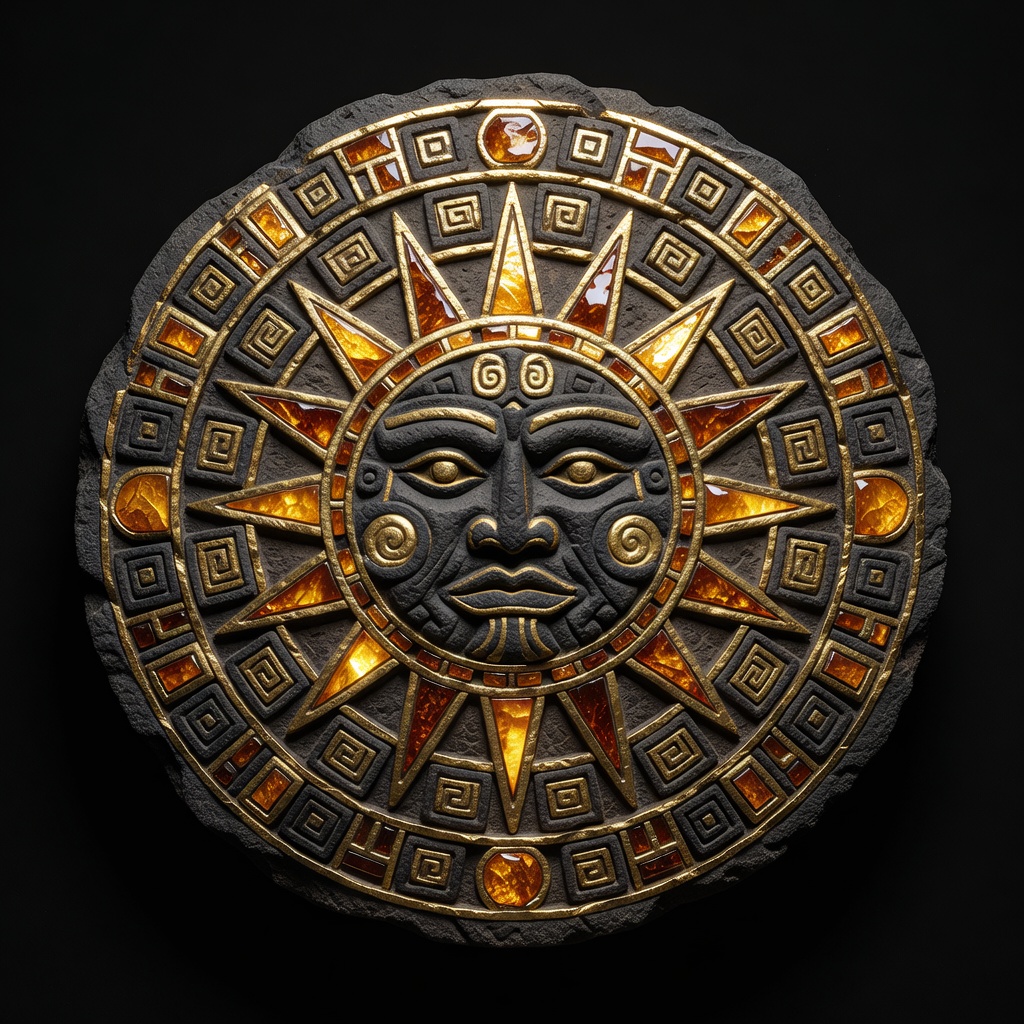
Maya Long Count · Great Cycles
5 × 5,125 yr
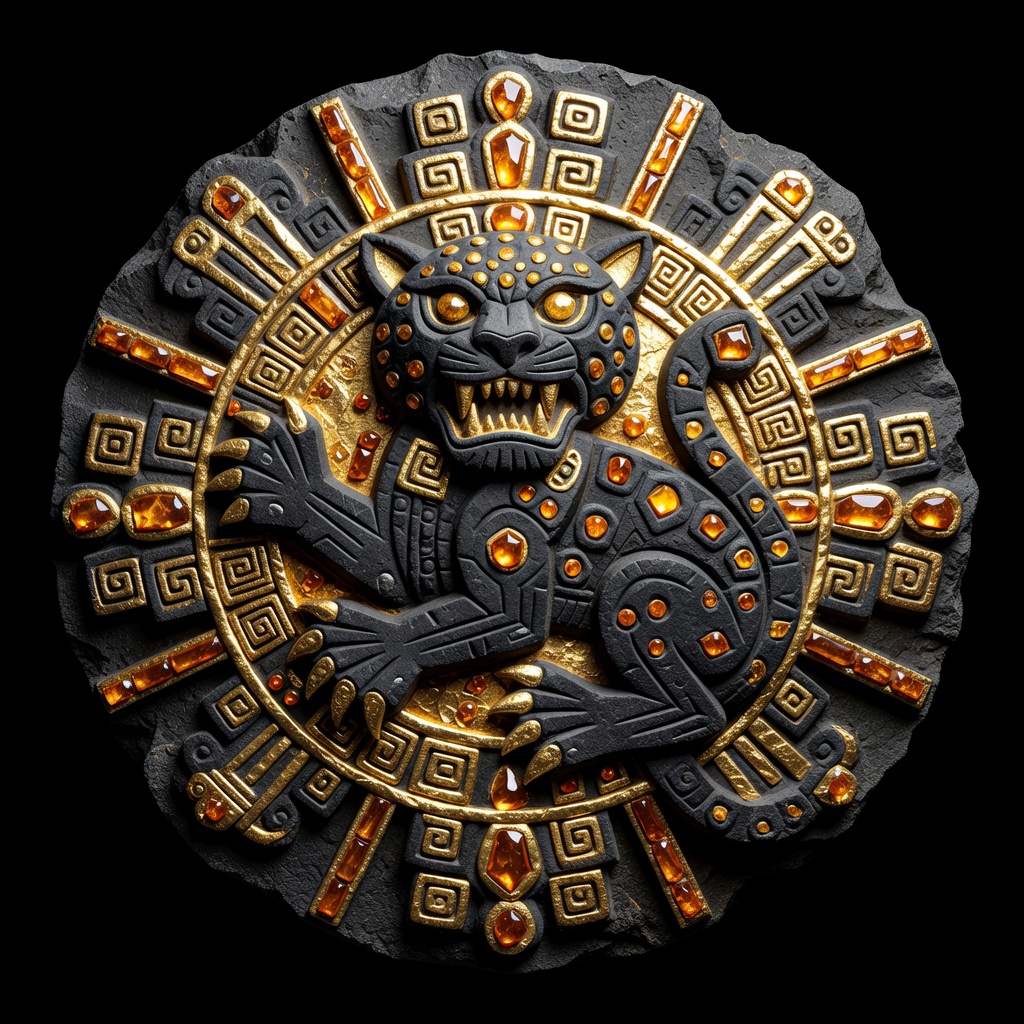
Great Cycle 1
13364 BCE – 8239 BCE
1st Great Cycle (~13,364 – 8,239 BCE). The first "Sun." This era includes the Younger Dryas impact (~12,800 BP) — a cataclysm that geological evidence shows reshaped the planet. An advanced civilization likely existed and was largely destroyed during this cycle.
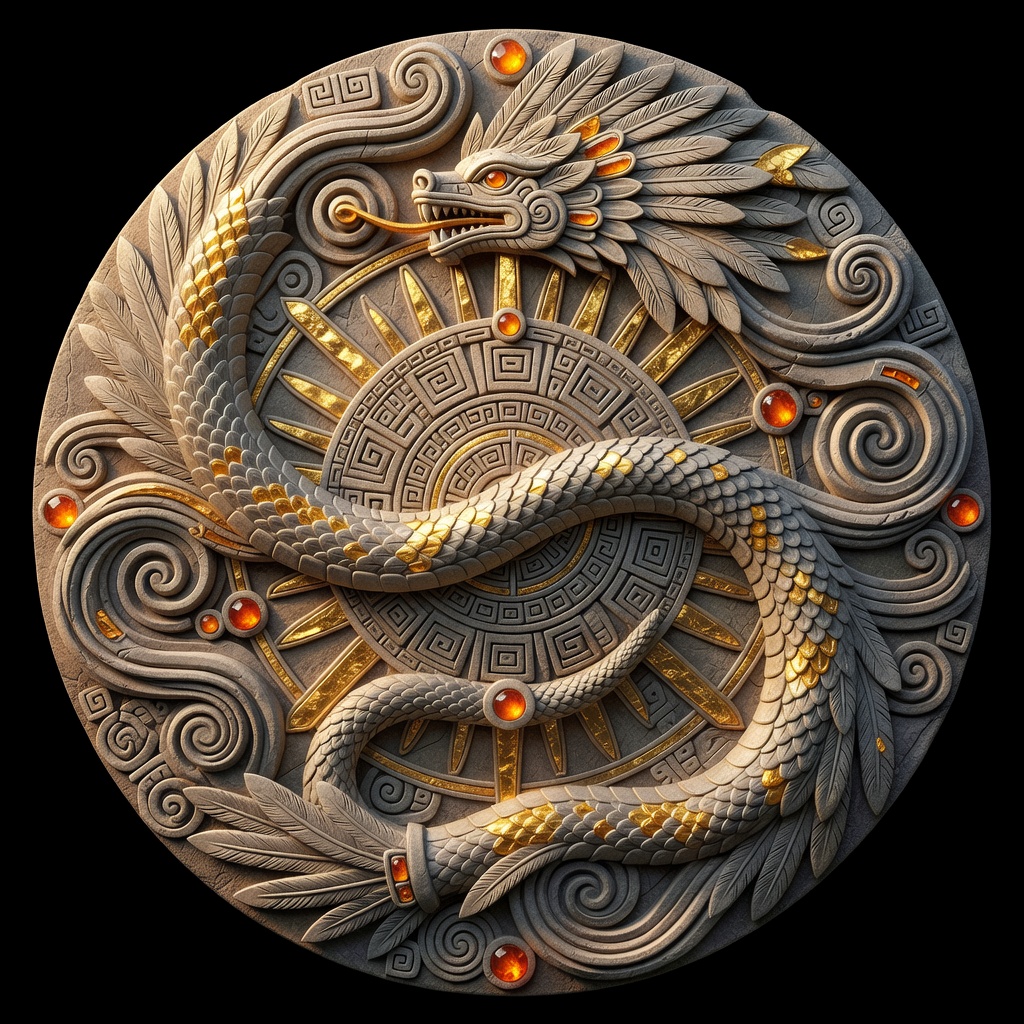
Great Cycle 2
8239 BCE – 3114 BCE
2nd Great Cycle (~8,239 – 3,114 BCE). The rebuilding era. Göbekli Tepe is deliberately buried. Survivors preserve knowledge through megalithic construction and oral tradition. The "gods" of Sumerian, Egyptian, and Vedic texts may record these teacher-survivors.
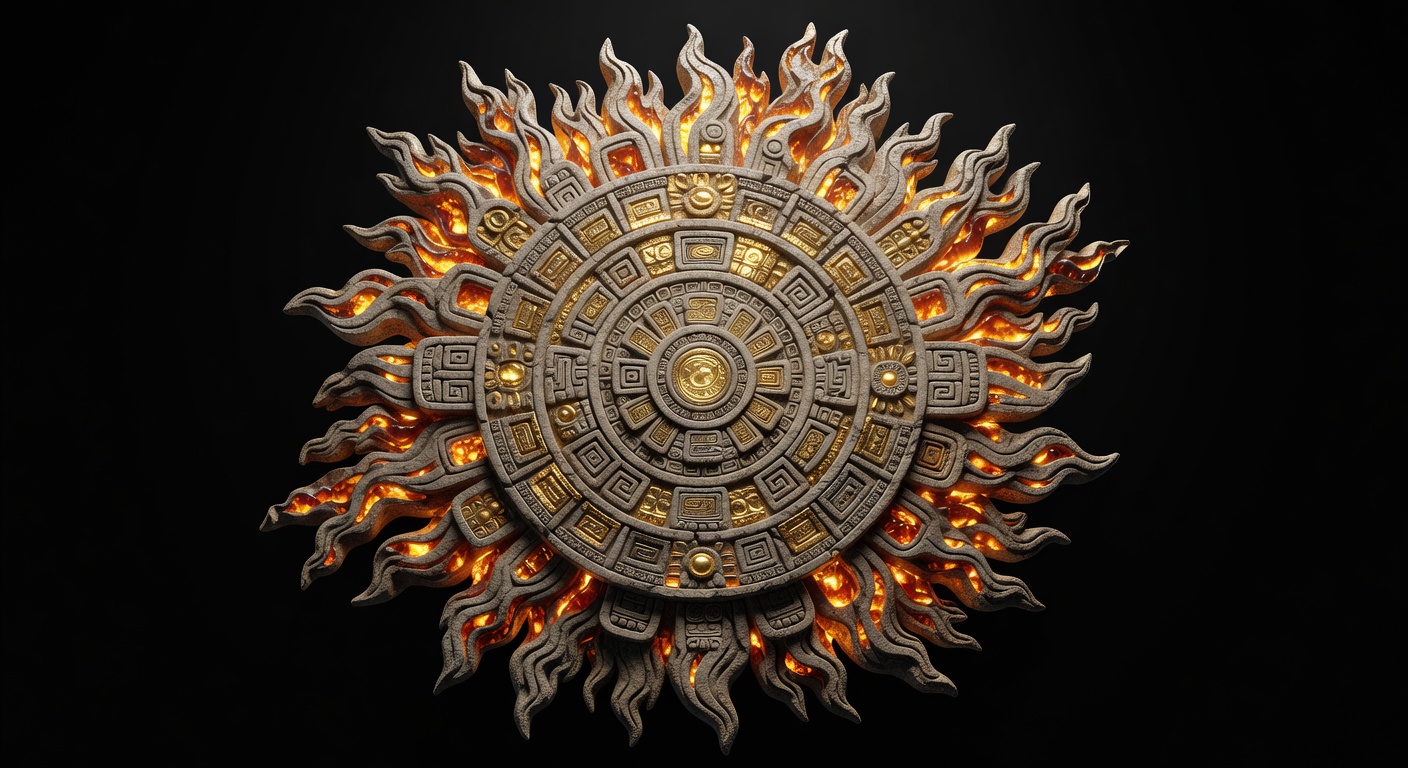
Great Cycle 3
3114 BCE – 2012 CE
3rd Great Cycle (3,114 BCE – 2012 CE). The recorded cycle. All of "known history" fits within a single Maya Great Cycle. The Long Count itself may encode knowledge inherited from a far older civilization. Completed Dec 21, 2012.
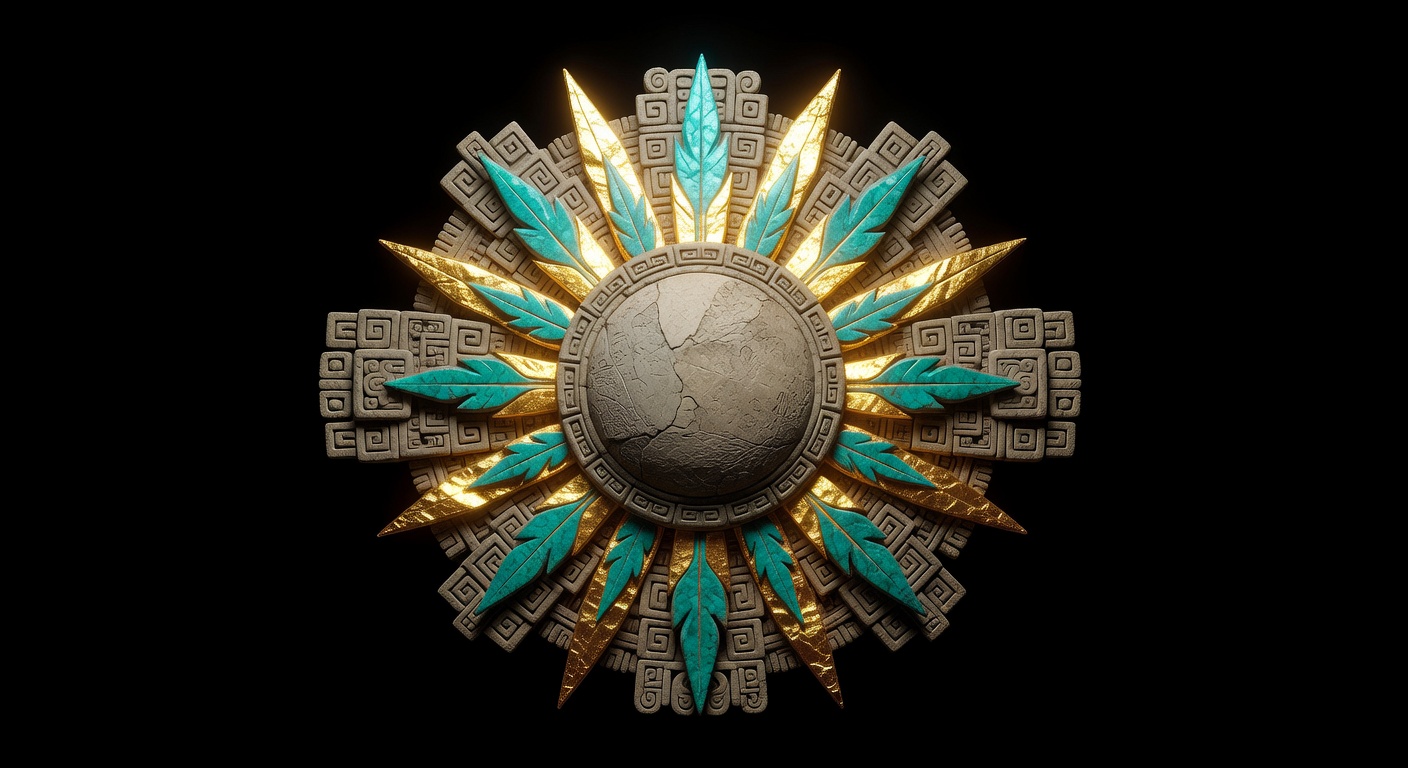
New Great Cycle
2012 CE – 7137 CE
4th Great Cycle (2012 – ~7,137 CE). The new era. We are 14 years in. Not an apocalypse but a turning — the start of a new "Sun." The Maya understanding of cyclic time may be among the oldest continuous astronomical traditions on Earth.
Great Cycle 5
7137 CE – 12262 CE
5th Great Cycle (~7,137 – 12,262 CE). The final cycle of five. The full 25,625-year meta-cycle completes — one full precession. The count resets and the pattern begins again, as the ancients always said it would.
Zodiac
Age of Pisces
~94% through. Two millennia of suppressed knowledge, lost libraries, and forgotten history. The shift into Aquarius approaches — the age the ancients seem to have been pointing us toward.
Yugas
Ascending Dvapara
326 years in. Humanity is rediscovering energy, frequency, and vibration — exactly what the ancients encoded in their monuments. The nadir (~500 CE) is behind us. We're waking up.
Maya
New Great Cycle
14 years in. The 13th Baktun completed Dec 21, 2012 — not an ending but a turning. A new cycle of creation. The Maya may have inherited this count from a civilization far older than their own.
The Pattern
These three systems don't match perfectly — they differ by about 8%. But all three independently arrived at a cycle of roughly 26,000 years, and all three place us near the same transition point: an old age ending, a new one beginning.
The common source is the precession of the equinoxes — Earth's ~25,920-year axial wobble. Mainstream archaeology says ancient peoples couldn't have known this. The evidence says otherwise. The Sphinx faces Leo at the spring equinox of 10,500 BCE. Göbekli Tepe was built and deliberately buried before "history" began. The Great Pyramid encodes Earth's dimensions to a precision that defies its supposed age.
Three civilizations on three continents tracked the same cosmic clock. Someone taught them — or they remembered.
At 10,500 BCE, the Great Sphinx faced its celestial counterpart — the constellation Leo — rising due east at the spring equinox. The geological evidence of water erosion (documented by Robert Schoch) dates the Sphinx's construction to this era, not the 2,500 BCE date maintained by mainstream archaeology.
The Sphinx's lion body wasn't a stylistic choice — it was a timestamp, marking the Age of Leo in stone. When the spring equinox sunrise moved away from Leo, the monument became a record of when it was built.
Solar Activity
Cycle Status
Declining
Started Dec 2019
Peak
~2024
Solar maximum
Sunspot Count
142
Declining
Latest Flare
M2.1
Moderate class
Geomagnetic
Kp 3
Quiet · No storms
Solar cycles average 11 years. Historically, solar activity correlates with everything from climate patterns to social upheaval. The Maunder Minimum (1645–1715) coincided with the Little Ice Age.
Upcoming
Next Lunar Eclipse
Total lunar eclipse
Mar 3, 2026
Next Solar Eclipse
Annular solar eclipse
Sep 12, 2026
Saturn in Pisces
Dissolving old structures
Until 2026
Jupiter enters Cancer
Exaltation — expansion of home and roots
2026